Podcast: Roberto Díaz de León and Mexico’s fuel retail market
In this first episode of the Spanish edition of Talks on Mobility , Roberto Díaz de León, Director of Combured, reflects on his career and examines the recent evolution of Mexico’s fuel retail market, the challenges posed by huachicol (fuel theft), and why, in his view, understanding charrería is essential to understanding Mexico.
MobilityPlaza launches a new edition of Talks on Mobility, now entirely in Spanish. This series focuses on interviews with leaders and experts from the fuel retail industry across Latin America and the Iberian Peninsula to explore how they are navigating the shifts reshaping the sector amid the transformations brought about by new mobility.
Hosted by our Editor & PR Manager, Gonzalo Solanot, the podcast aims to delve not only into the challenges and trends defining each market, but also into the personal and professional sources of inspiration that set each guest apart.
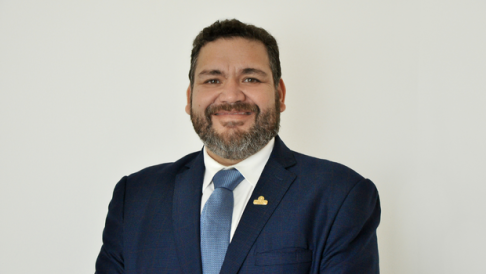
In this first episode, we speak with Roberto Díaz de León, Director of Combured in Mexico. Roberto looks back on his professional journey and the origins of the company, analyzing how its growth coincided with the opening of the Mexican fuel market to foreign investment, an event he describes as “the perfect storm.”
He also discusses the current state of Mexico’s fuel retail market, the role of Onexpo amid a recent change in government, and what he considers the main competitor facing fuel retailers today: huachicol (the informal or illicit sale of fuel). Additionally, he shares a personal reflection on why, for him, understanding charrería is essential to understanding Mexico.
“Today in Mexico, 4 out of every 10 liters of fuel sold in the country come from huachicol. This creates a massive economic distortion because it affects prices, margins, investment, and trust. You’re competing against someone who pays no taxes, complies with no regulations, and makes no investments in safety, human development, or promotions; and that hurts the entire ecosystem.”
“We may need to start creating new formats for service stations, similar to what exists in some Central American countries, where half of the stations operate as self-service and the other half as full-service. I believe the model will continue evolving, and the trends for 2026 will focus on technology, branding, and, above all, cost efficiency. Because price will be the key decision driver for consumers this year.”