Korean convenience stores cut overnight hours as costs rise
More retailers across South Korea are closing during late-night periods as higher labor expenses reshape operating models and accelerate interest in unattended store formats.
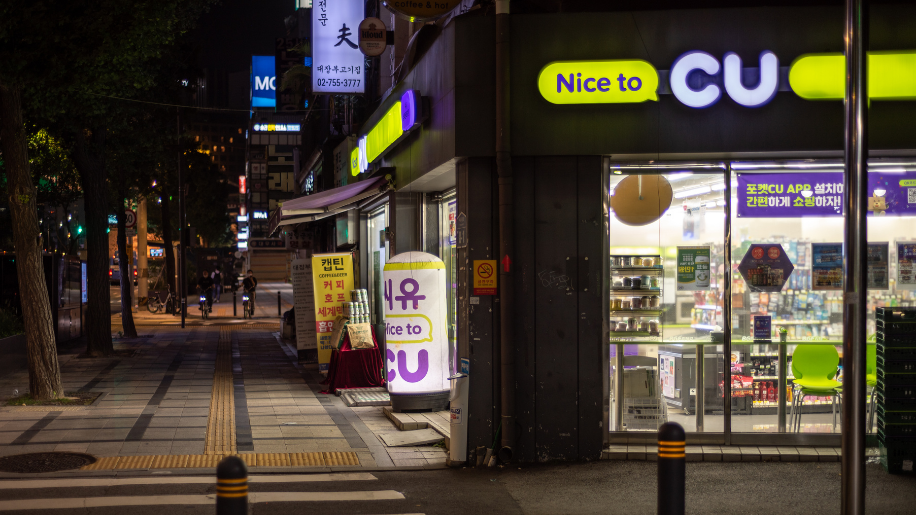
Convenience stores in South Korea are increasingly moving away from 24-hour operations, with growing numbers of outlets closing overnight as rising labor costs squeeze profitability.
Industry data cited by Seoul Economic Daily show that 23.6% of GS25 stores were not operating around the clock in 2024, up from 15% in 2019. Similar trends have emerged across other major chains, with 16.3% of CU stores and roughly 19% of 7-Eleven locations no longer maintaining overnight hours. At emart24, only about 20% of outlets remain open 24 hours a day.
The shift has become particularly visible during holiday periods such as Chuseok, when consumers increasingly encounter closed convenience stores during early morning hours. Overnight closures are most common in office districts and suburban areas, where customer traffic drops significantly after 10 p.m.
Store operators point to labor expenses as the main driver behind the trend. South Korea's minimum wage has risen from 6,470 won per hour in 2017 to more than 10,000 won this year, increasing the cost of staffing night shifts. Many franchisees argue that overnight sales, often amounting to only around 30% of daytime revenue, are insufficient to offset wages and operating costs.
The sector is also experiencing a decline in store numbers. The nationwide convenience store count fell from 54,853 locations at the end of 2024 to 48,315 by May 2025, marking the first contraction after years of sustained expansion.
In response, retailers are accelerating the rollout of hybrid and unmanned formats. Hybrid stores operate with staff during the day before switching to unattended operation overnight, while fully unmanned outlets are gaining traction in locations such as hotels, office buildings and resorts.
The model allows operators to maintain extended opening hours while reducing labor costs. However, some consumers have expressed concerns about the lack of on-site assistance if technical issues or other problems arise during unattended operating periods.