The Hub by ADNOC's community play: fuel, food, flex, fix and future ready
Klaas Mantel, Chief Operating Officer at ADNOC Distribution, unpacks how The Hub's five-pillar concept is turning fuel stops into full foodservice and dwell-time destinations.
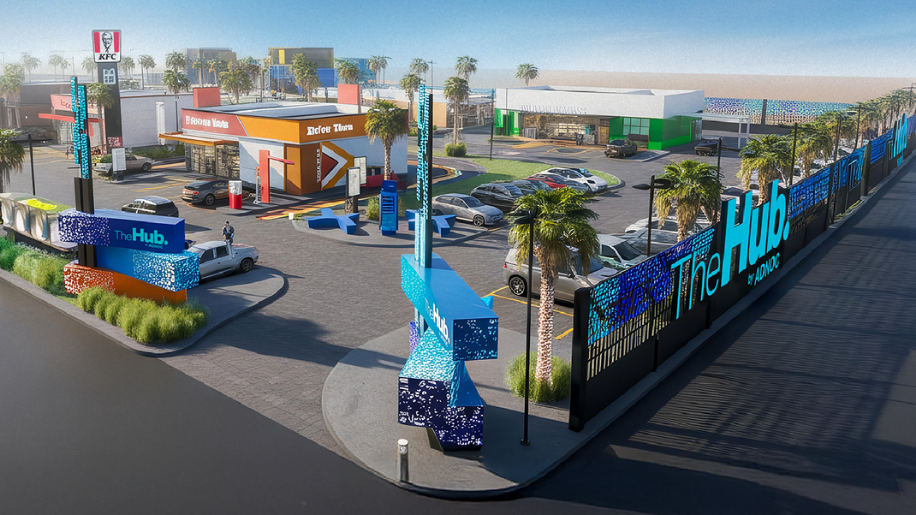
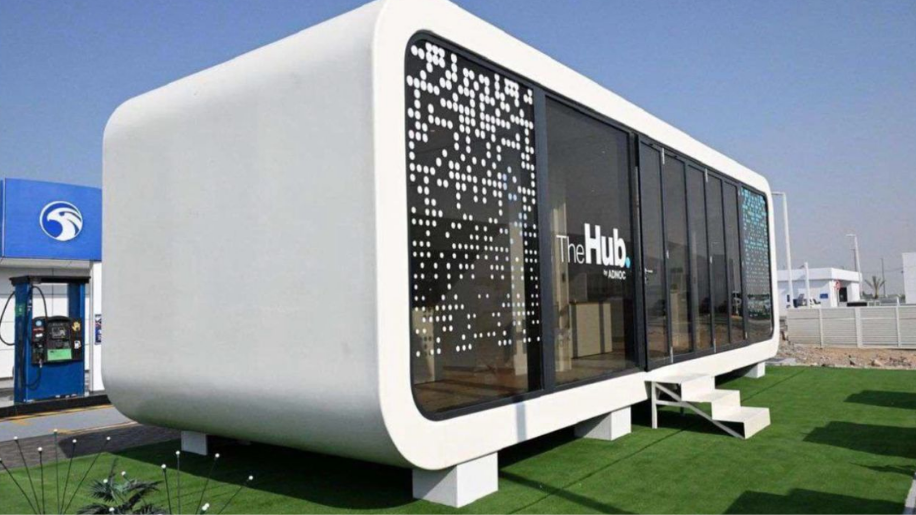
Back in November 2025, the opening of ADNOC Distribution's first The Hub by ADNOC location in Shawamekh was more than the launch of a new retail format, it was a full bet on reimagining the traditional fuel station as a destination. With a retail footprint three times larger than a standard service station, The Hub brings mobility services together with dining, retail, grocery and lifestyle offerings under one roof, turning that added scale into a statement: this is a community-anchored location built for customers to stay, not just stop.
The concept scaled quickly. By the end of 2025, ADNOC Distribution had launched six Hub locations, and expansion has continued into 2026, including Saadiyat Island, now home to the first LuLu Daily store at an ADNOC Distribution property. Six additional Hubs are planned for 2026 alone, part of a broader push to grow the company's network of integrated mobility, retail and lifestyle destinations. Active locations today span Shawamekh, Saadiyat, Riyadh City and Khalifa City, all part of ADNOC's Abu Dhabi footprint.
That growth isn't confined to the UAE, as ADNOC Distribution is taking learnings from The Hub in the UAE and exploring how they could be applied across its international markets. . MobilityPlaza spoke with Klaas Mantel, Chief Operating Officer at ADNOC Distribution, about how The Hub concept is taking shape, where it's headed next, and what role foodservice and community play in that strategy.
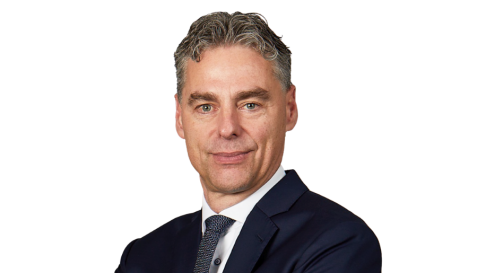
MobilityPlaza: How did The Hub by ADNOC concept originate, and what role does it play within ADNOC Distribution's broader retail portfolio?
Klaas Mantel: As customer lifestyles evolve, people increasingly want to fuel, charge, dine, shop and access services in one location. We have therefore changed the paradigm from "fuel plus a few other services," to "many services plus energy for mobility."The Hub by ADNOC is a reflection of that strategy by bringing these experiences together in a more integrated and convenient format. By maximizing the potential of each location, The Hub combines mobility services with food and beverage, retail, grocery and lifestyle offerings, creating new opportunities to increase customer engagement, dwell time, visit frequency, contributing to the strategy to double the contribution of Non-Fuel Retail by 2030.
Each Hub location is designed to serve the specific needs of the communities around it. Whether serving commuters, families, residents, travelers or nearby businesses, each location is tailored to its catchment area.
MP: Does each site have a distinct design and offer tailored to its specific location or is there a standardized blueprint across all?
KM: The Hub by ADNOC follows a flexible, modular approach rather than a one-size-fits-all blueprint. Each location is built around the 5 Fs concept: Fuel, and increasingly fast-EV charging, for customers’ mobility needs, Food for dining and convenience, Flex for catering to family activities, Fix for vehicle care and services, and Future Ready for new mobility and technology solutions – which forms the foundation of The Hub proposition. While every location shares these core elements, the design and mix of services can be tailored to the needs of the surrounding community and the customer journeys each location serves, creating a relevant and distinctive experience at every destination.
MP: The Hub brings together a curated mix of international and local dining brands under one roof. What is the philosophy behind the food and dining offer?
KM: Our philosophy is centered around choice, quality and relevance for the communities we serve. Rather than offering exactly the same food and beverage mix everywhere, we can tailor the offer according to the location, customer profiles, and surrounding neighborhood. The concept itself was developed with modularity in mind, allowing layouts and offerings to respond to local needs, with hyper-personalization driven by consumer insights to better understand and respond to what each community wants.
ADNOC Distribution’s strategic partnership with Americana Restaurants for example, will bring up to 200 quick-service restaurants from 12 global brands across the network in the UAE. Americana-operated brands will also be integrated into multiple The Hub locations, expanding customer access to trusted dining brands across high-traffic mobility destinations.
Alongside these international brands, The Hub incorporates Oasis by ADNOC and a mix of homegrown and local concepts, tailored to the specific needs of the surrounding community. The result is a destination where customers can fuel or charge their vehicle while also dining, shopping, exercising, or spending time with family, turning a necessary roadside stop into a destination.
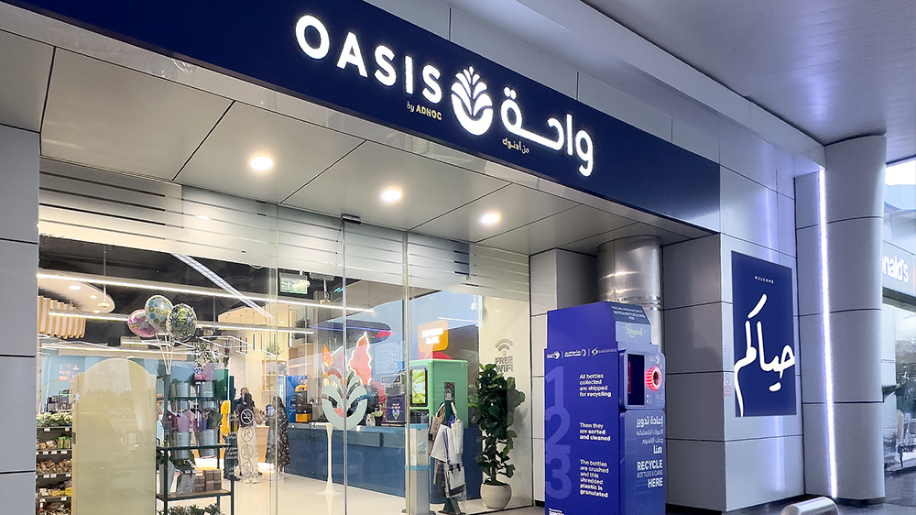
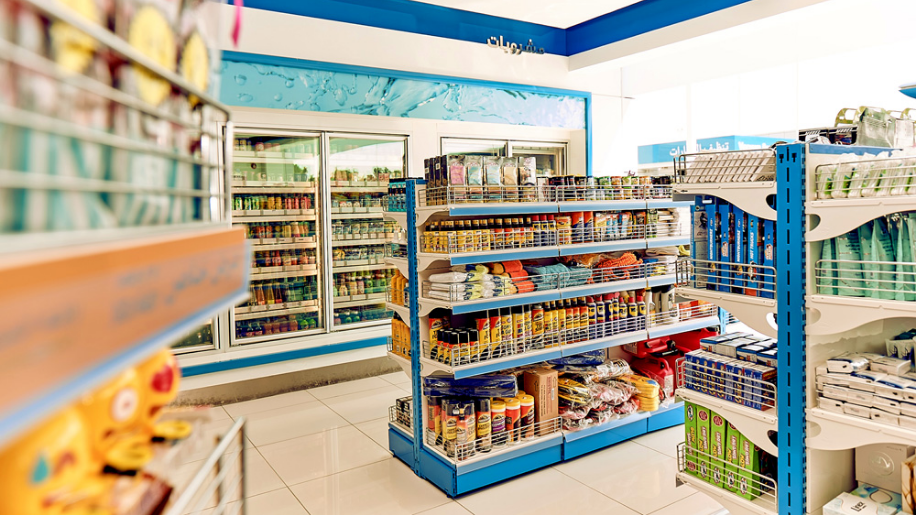
MP: Where does the Oasis convenience store fit within The Hub's overall food and retail strategy?
KM: Oasis by ADNOC is a core anchor of The Hub’s food and retail proposition, and its role extends well beyond traditional convenience or grab-and-go. We are evolving Oasis into a broader “foodvenience” destination, combining the speed and accessibility customers expect from convenience retail with a higher-quality and more diverse food and beverage experience.
The refreshed “On-the-Gourmet” concept reflects this shift, with an expanded offering that includes barista-crafted coffee, gourmet sandwiches, healthy wraps and salads, ready meals, power bowls, matcha and protein-focused options, alongside everyday convenience essentials. Oasis also provides a platform for UAE-made products, locally sourced ingredients, and homegrown F&B brands, with over 30% of products sold at Oasis by ADNOC sourced locally, strengthening its connection to the communities The Hub serves.
Quick-service and grab-and-go remain important, but the opportunity is much broader: to make Oasis a food-led destination in its own right, serving customers making a quick stop as well as families, commuters and EV customers spending longer at the site.
MP: EV charging has given ADNOC Distribution years of experience managing longer customer dwell times. What lessons from that experience have informed The Hub concept?
KM: This experience has enabled us to set out on a mission to electrify the UAE’s eight main highways by 2027, helping to eliminate range and charging anxiety, build the infrastructure needed to support wider EV adoption and contribute to the UAE’s Net Zero ambitions. It has also reinforced an important principle: when customers spend longer at a mobility location, the experience around that time becomes increasingly important.
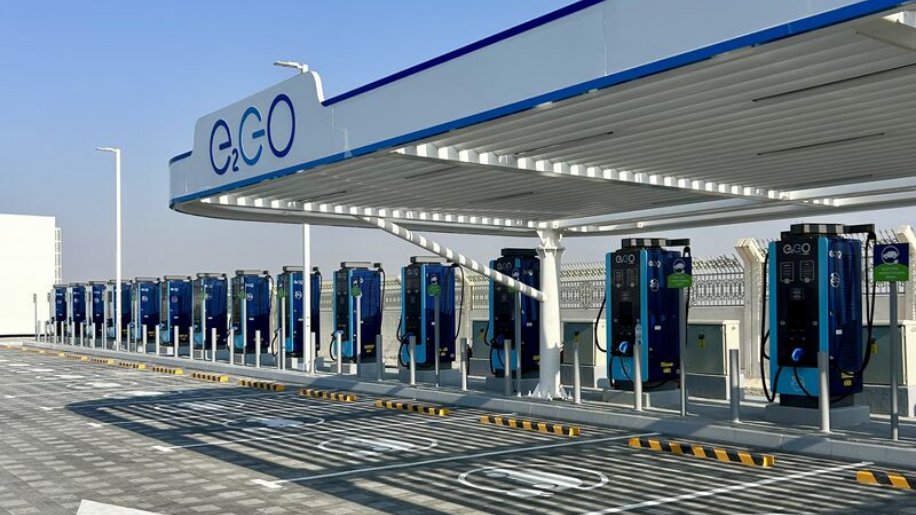
Rather than viewing charging time simply as waiting time, there is an opportunity to make it productive, convenient, and enjoyable through the right combination of food, retail, work, and lifestyle services. That thinking is clearly reflected in our EV Mega Hub on the key Abu Dhabi – Dubai corridor, the largest EV charging hub in the Middle East and Africa and the sixth largest in the world. The site has 60 high-speed charging points capable of charging most EVs from 0 to 80% in approximately 20 minutes and is also a “Hub by ADNOC” location, and the twin station on the other side of the road with 40 fast chargers will open in the coming weeks opening up the route for commuters and B2B fleets alike.
MP: What other amenities or experiences have proven most effective at extending the customer visit?
KM: The Hub by ADNOC is designed around the idea that convenience today is about much more than completing a transaction. In practice, each Hub can introduce amenities tailored to how customers use that particular location. Given that this Hub serves a residential community, this includes dedicated work pods at E11 EV Mega Hub providing customers with a convenient space to work or take a break while on the move,
Playgrounds, benches, seating areas, and other surrounding amenities also help create a more comfortable, family-friendly environment where customers can relax, socialize and spend longer on-site. The objective is to create an environment where customers can combine several activities in one visit, whether having a meal with family, shopping, exercising, running an errand, or simply spending time together.
MP: How do you get a customer who's only there for fuel to start thinking of the site as somewhere to spend time?
KM: Many visitors to a service station are on a ‘Fuel & Go’ mission, and we have designed our stations to cater for their primary need which is ‘speed & ease’. However, we hope to attract these customers for other missions at a different time of day, or days of the week.
The Hub concept is therefore designed around communities: walkable, shaded, and convenient spaces, locally relevant retail and family-friendly facilities help make The Hub somewhere people can incorporate into their daily lives rather than somewhere they visit only when they need fuel. By using consumer insights and data from its loyalty app, the company can better understand spending behaviors tied to fueling and plan each Hub, accordingly, bringing customers the retail, dining and services they need, even where those needs are unconventional. That model is already showing encouraging results: the first six Hub locations delivered fuel volume growth that is significantly about above the network average, with additional footfall supported by supermarkets and quick-service restaurants.
MP: As you scale toward 30 locations, what's on the drawing board for The Hub that hasn't been unveiled yet?
KM: Our focus is on evolving the concept around the different ways people live, move, and spend their time. It is evolving through specialized formats, including Community, Destination, EV and Auto Hubs, each tailored to different customer needs, lifestyles, and trade areas.
The opportunity goes beyond motorists and commuters. In 2026, for example, we are planning a cycling-focused Hub, designed around the needs of the growing cycling and active-lifestyle community. It is a good example of how we can adapt The Hub proposition for different audiences and occasions, creating destinations that are relevant not only to drivers, but also to cyclists, sports enthusiasts, families, and the wider community.
MP: Your recent acquisition of Shell's South Africa network marks your fourth market and your largest move beyond the Gulf. How will The Hub concept travel with that expansion?
KM: Our approach to international growth is grounded in local relevance. South Africa has its own established customer behaviors, retail landscape and community needs, and customers will continue to experience the Shell brand following completion under a long-term licensing agreement.
The opportunity is therefore to take the learnings and capabilities we are developing through “The Hub” and apply them appropriately to each market, while respecting local brands, customer expectations and market dynamics. That balance between global capability and local relevance will be critical as ADNOC Distribution continues its international growth.
MP: As ADNOC continues to grow its footprint beyond the UAE, how do you approach the mix of international and local brands?
KM: We see international and local brands as complementary rather than competing propositions. International brands bring familiarity, consistency, and established customer appeal, which is particularly valuable as we expand across markets. Local and homegrown brands bring something equally important: relevance, authenticity and a connection to the communities in which we operate.
That balance is already embedded within The Hub, which combines popular and local dining brands, while Oasis by ADNOC provides a strong homegrown anchor. Oasis also actively supports Emirati entrepreneurs, UAE-made products, locally sourced ingredients and homegrown F&B brands, allowing us to champion local businesses alongside global names.
As ADNOC Distribution grows across the UAE, Saudi Arabia and Egypt, our approach is to retain a consistent standard of quality and convenience while remaining locally relevant. The Americana partnership supports that regional scalability, bringing a mix of international and local brands, including Malak Al Tawouk, while our flexible approach allows us to adapt the overall brand and dining mix to the needs and preferences of customers in each market.
MP: Beyond the 30 sites planned, what does success look like for The Hub by 2030? What role do you expect it to play in ADNOC Distribution's non-fuel revenue mix?
KM:By 2030, success for The Hub by ADNOC will be measured not simply by the number of locations, but by how effectively each destination drives customer engagement, increases visit frequency and dwell time, and creates sustainable new revenue streams beyond fuel.
ADNOC Distribution currently targets 30 Hub locations by 2030, expected to contribute approximately $30 million in annual EBITDA. The Hub is a key pillar of the company’s wider ambition to double non-fuel retail transactions by 2030 compared with 2023, but we see it as generating higher engagement, longer dwell times and stronger customer loyalty.
It is an important part of the evolution of ADNOC Distribution from a traditional fuel retailer into a mobility and convenience destination of choice, with The Hub positioned as a main driver in transforming our stations into roadside retail destinations of choice. By 2030, we expect The Hub to play an increasingly important role in the non-fuel business, supported by higher-yielding food and beverage, retail, property and car services offerings, while creating destinations that customers actively choose to visit rather than simply stop at.