What payments say about customers
We explore how transactional data can become a goldmine for driving engagement and fostering lasting customer loyalty.
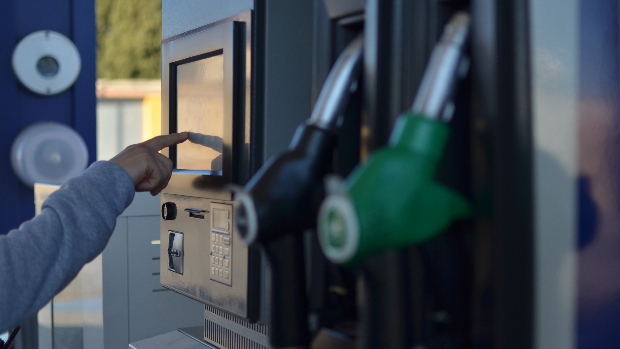
In today’s hyper-connected world, data is a mineable asset that can tip the balance of strategy toward success. With convenience as the backbone of fuel retailers’ transition from traditional forecourts to mobility hubs, touchpoints and payment options have multiplied to drive flexibility and support customer-centric innovation.
But this tech-driven ambition risks creating a flood of information that can spill into overload, disrupting strategies and obscuring results. And with great data comes great responsibility: what retailers see as opportunity; customers may view as an exposure of their personal information amid rising cybersecurity concerns.
To address this, we spoke with experts about key aspects of the payment landscape that can help operators profile their customers and craft tailored experiences that foster lasting loyalty.
A time and place for loyalty
For starters, four of the five ‘Ws’ (What, Who, Where, and When) can be answered directly through payment data, while the remaining one (Why) can be inferred from those results. This behavioral data paves the way for retailers to respond accordingly, whether by tailoring promotions, optimizing staffing, or running the right ad to meet or even exceed customer expectations.
For this to work, linking payments to loyalty is key not only to maximize precision, but also to drive smarter decisions. “Retailers can turn raw payment data into actionable intelligence that drives c-store growth,” explains Paul Lauinger, SVP of North America Sales at Titan Cloud. He emphasizes the need to weave together different aspects of the business to give “operators the power of smarter pricing, bigger baskets, and an elevated customer experience.”
As part of this effort, the company is working with PriceEasy to integrate fuel analytics and inventory insights with pricing and promotions. Yet turning insights into action is where the real challenge lies, as Raj Golecha, CEO of PriceEasy, notes: “The real challenge isn’t collecting payment data — it’s transforming it into decisions.”

How they pay, who they are
Payment methods are another source of data that can help operators both profile their customers and identify new opportunities. Choosing a smartphone over a credit card, for instance, can reveal demographic insights that highlight customer expectations and behaviors, or even hint opportunities for loyalty promotions or ways to steer customers toward higher-margin baskets.
Ghermaine Henry, Head of Fuel & Mobility EMEA at Aevi, recalls a recent case in which an operator asked about loyalty members who were still paying with a consumer card outside the app. “After unifying data across all payment sources and applying 50+ consistent metrics, a clear pattern emerged: Weekday-evening, pay-at-pump, debit-heavy customers, loyal to the brand but not claiming points. That insight becomes an actionable segment,” details Henry.
Patterns create opportunities—but what happens when retailers miss them by not offering options like e-wallets, smart kiosks, or order-ahead features? Staying aligned with customer trends is crucial, yet it often requires significant and precise investments. In this context, Henry takes a practical approach by piloting alternative options at “a small group of sites using configuration and partner integrations” without big tech commitments. This ensures flexibility, measurability, and quick pivots, as he concludes: “Why build it bad when you can borrow it better.”
Trusted transactions
However, payments also reveal something fundamental about customers: their willingness or reluctance to share information. As the line between personalization and intrusion grows increasingly thin, some avoid giving personal details to loyalty programs or using certain payment methods, fearing security risks.
Danny McArdle, Solutions Engineer II at PDI Technologies, stresses that although scaling integrated technologies can “help improve experiences and results across the board,” this must go hand in hand with transparency to build and sustain customer trust. “Earning and keeping customer trust is essential. Retailers must safeguard data, meet regulatory obligations, and be transparent about how information is used,” he explains.
Although personalization is key to building meaningful connections, trust raises the stakes when it comes to creating a solid foundation for higher lifetime value. “Striking this balance ensures personalization adds value without compromising privacy,” concludes McArdle.